

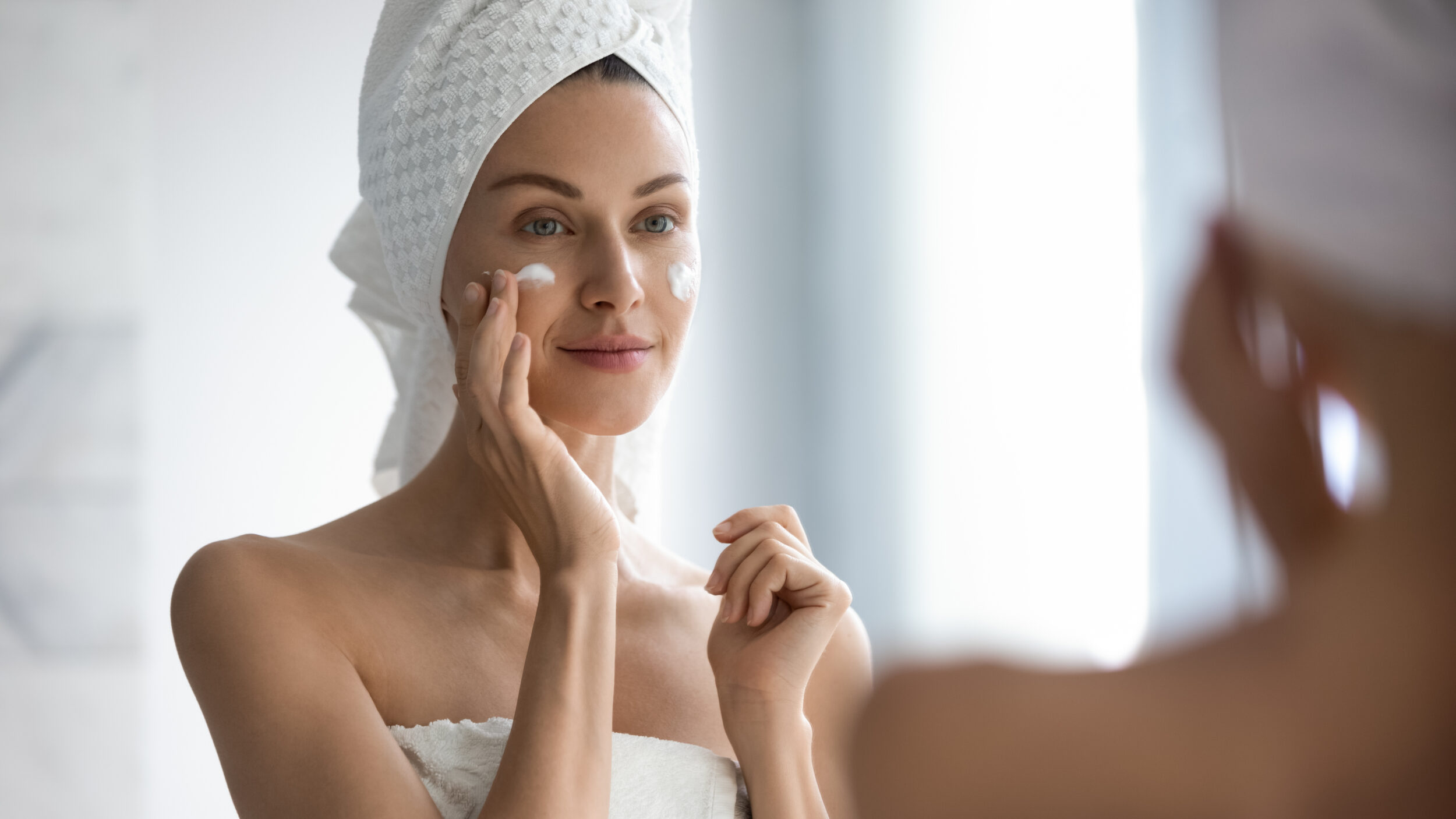
“Medical-grade skincare” isn’t a formal FDA regulatory category, so the label by itself doesn’t tell you how a product is regulated or how well it will work for your skin. What matters more is the individual formula, its ingredients, how you use it, and how well it fits your skin concerns. With clinical skincare, professional guidance can also help you build a routine around specific objectives rather than trial and error.
Led by Dr. Faye Jamali, Belle Marin Aesthetic Medicine in Mill Valley, CA, combines home skincare with services such as facials, chemical peels, and microneedling. Dr. Jamali is an aesthetic physician whose work centers on facial rejuvenation and natural-looking results.
Does “Medical-Grade” Have a Legal Definition?
“Medical-grade” isn’t a formal FDA skincare category, and the FDA doesn’t recognize “cosmeceutical” as a separate legal category. Cosmetics generally don’t require FDA approval before going on the market, although certain color additives do. Products intended to treat or prevent disease, or to affect the structure or function of the body, are regulated as drugs, and some products qualify as both cosmetics and drugs.
That means the words on the package aren’t enough to tell you how well something will work for your skin.
What Can Set Clinical Skincare Apart?
One benefit of buying skincare through an aesthetic or medical practice is the guidance that comes with it. Rather than choosing a serum because it’s trending or has appealing packaging, you can build a regimen around concerns such as dryness, pigmentation, fine lines, acne-prone skin, or recovery after an in-office service.
Belle Marin carries clinical skincare from brands including Alastin Skincare® and skinbetter®. Their selection includes formulas used for texture, tone, hydration, elasticity, visible lines, pigmentation, barrier support, and post-procedure care.
Can Drugstore Skincare Still Be Good?
Absolutely. A higher price or a professional-only sales channel doesn’t automatically make one formula better than another. Drugstore cleansers, moisturizers, sunscreens, retinol products, and acne treatments can contain well-studied ingredients that fit into many routines.
The better comparison is product by product. Look at the active ingredients, concentration when disclosed, supporting ingredients, packaging, your skin’s tolerance, and the issue you’re trying to manage.
You also don’t need an elaborate routine. For many people, a cleanser, moisturizer, daily sunscreen, and one or two concern-specific products make more sense than layering numerous active ingredients.
How Do You Choose the Right Skincare?
Start with what your skin actually needs. Dryness, acne, pigmentation, sensitivity, and signs of aging call for different ingredients, and using too many strong products at once may irritate skin.
At Belle Marin Aesthetic Medicine, we can also coordinate your home regimen with professional skin care when appropriate. For help sorting through your choices in Mill Valley, CA, contact us or call 415-887-8718.